The Household Cavalry at Zandvoorde – by John Hawkshaw
On 30 October 1914 the Household Cavalry took part in a glorious action on the high ground at Zandvoorde. A desperate last stand aimed at preventing overwhelming German forces capturing the city of Ypres.
Lieutenant Charles Sackville Pelham, Lord Worsley, of the Royal Horse Guards (the Blues), was killed commanding a machine-gun company on that fateful day. At the end of the war his grave was relocated. In 1924 a memorial to the Household Cavalry was erected on the spot where he and his men died and unveiled by his brother-in-law, Sir Douglas Haig.
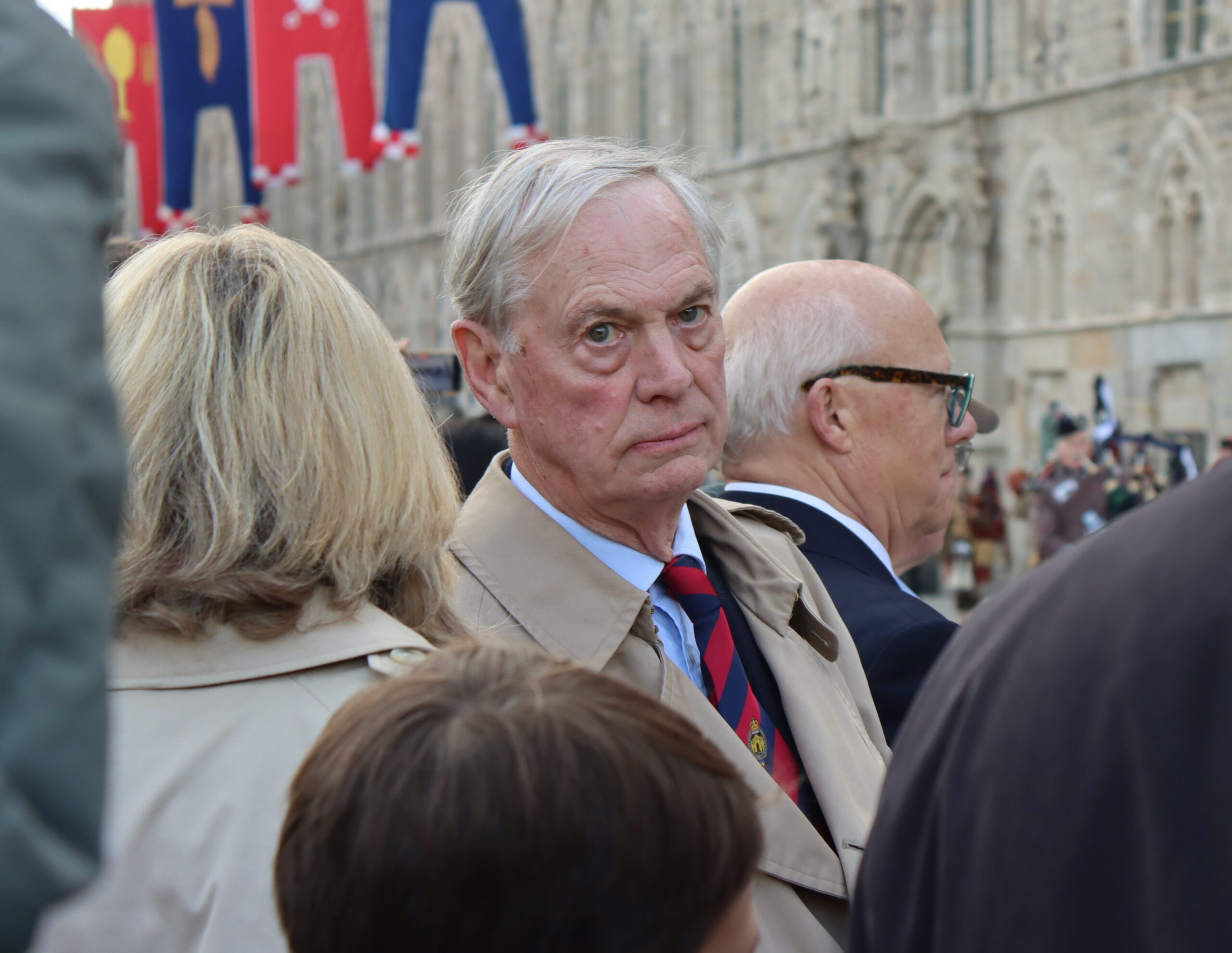
Earlier this year a weekend of events to recognise the centenary of the inauguration of the memorial was held in the Salient. It was initiated by Worsley’s great-nephew Lord Astor, the DHF’s Patron, and supported by the Household Cavalry Regimental Association. Several DHF members attended some of the events in and around Ypres, including John Hawkshaw, whose report appears here.
Context: October 1914
After the Aisne, the BEF re-grouped in the north and was heavily involved in the effort to seal up the front against the German Army’s attempts to break through to the Channel ports. In early October it advanced to contact with the German Fourth and Sixth Armies in the area around Ypres. The Household Cavalry was deployed in the centre of the British line up on the Zandvoorde Ridge which lies across the southeastern approaches to the city There was heavy fighting in this sector and the Household Cavalry suffered great losses.
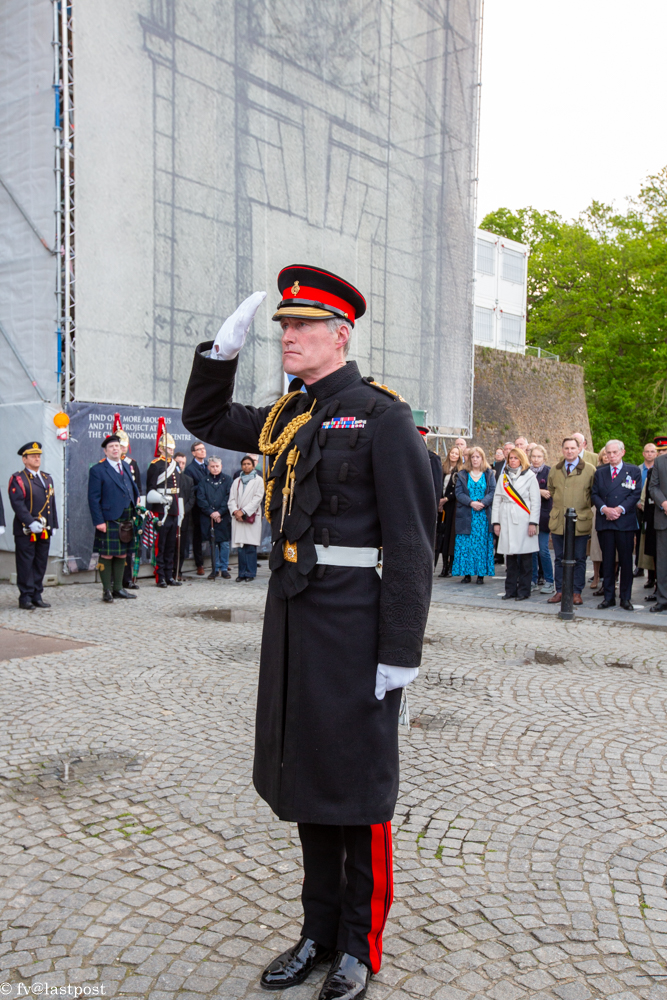
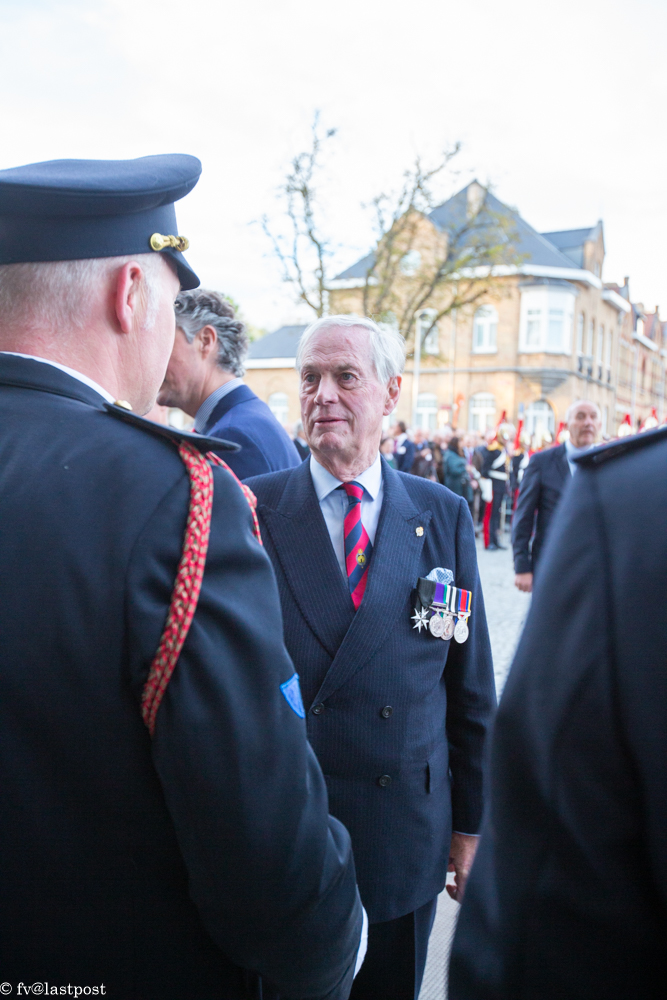
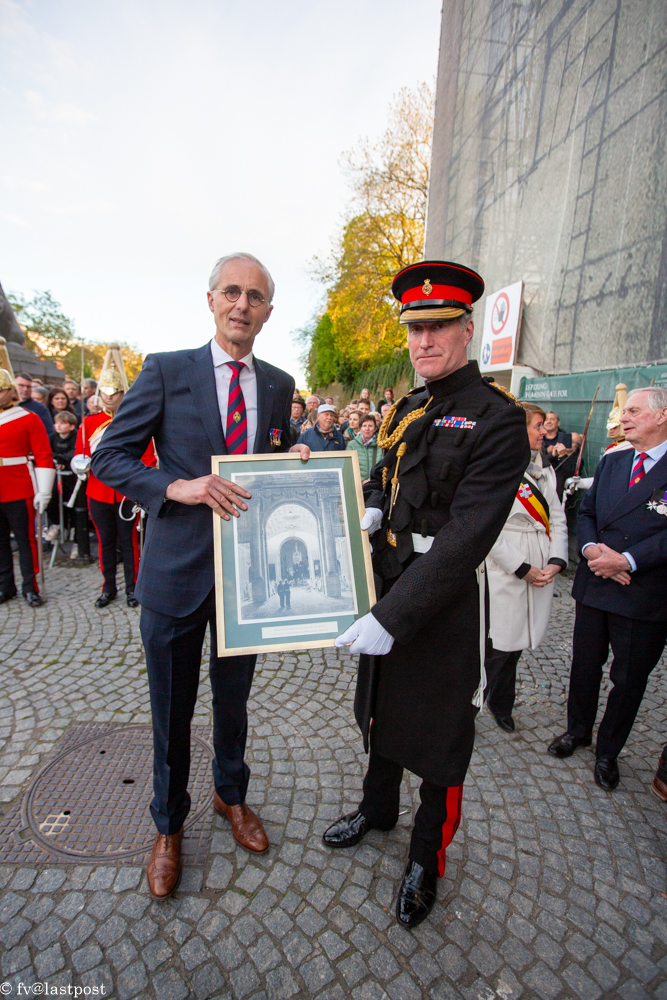
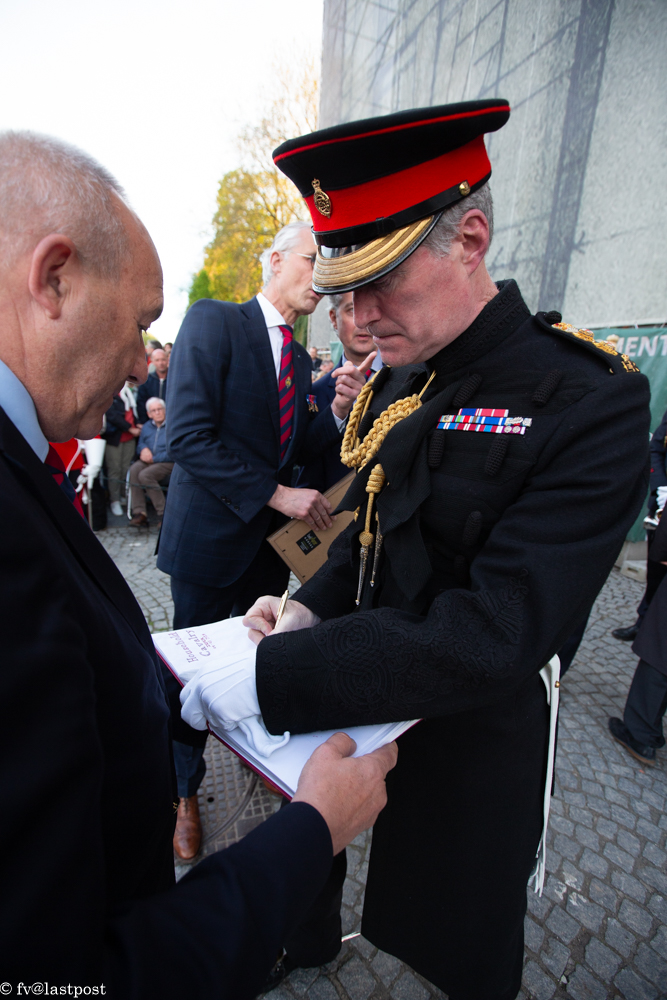
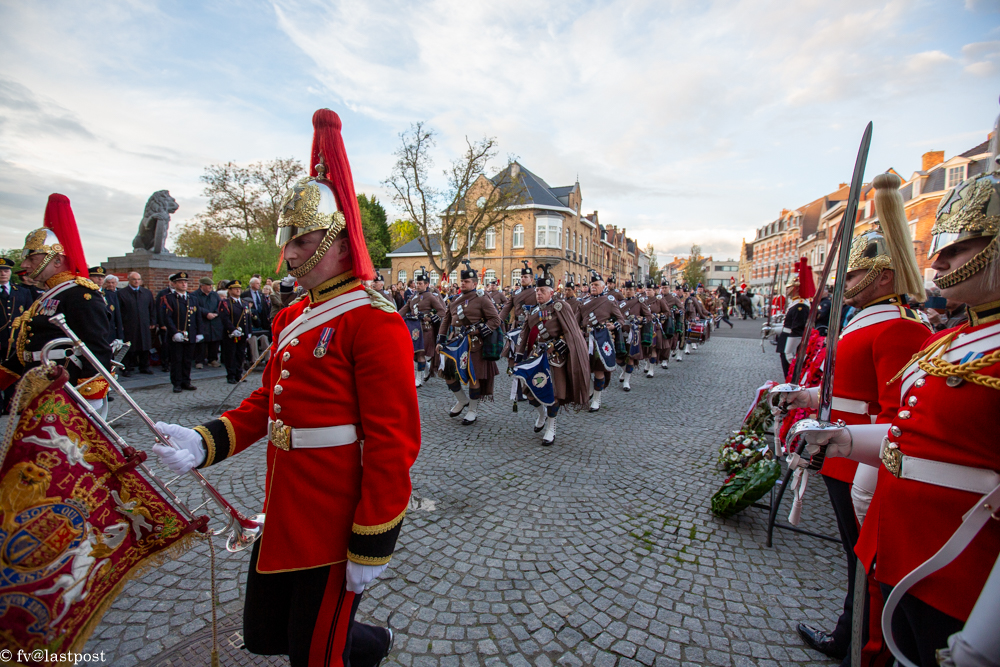
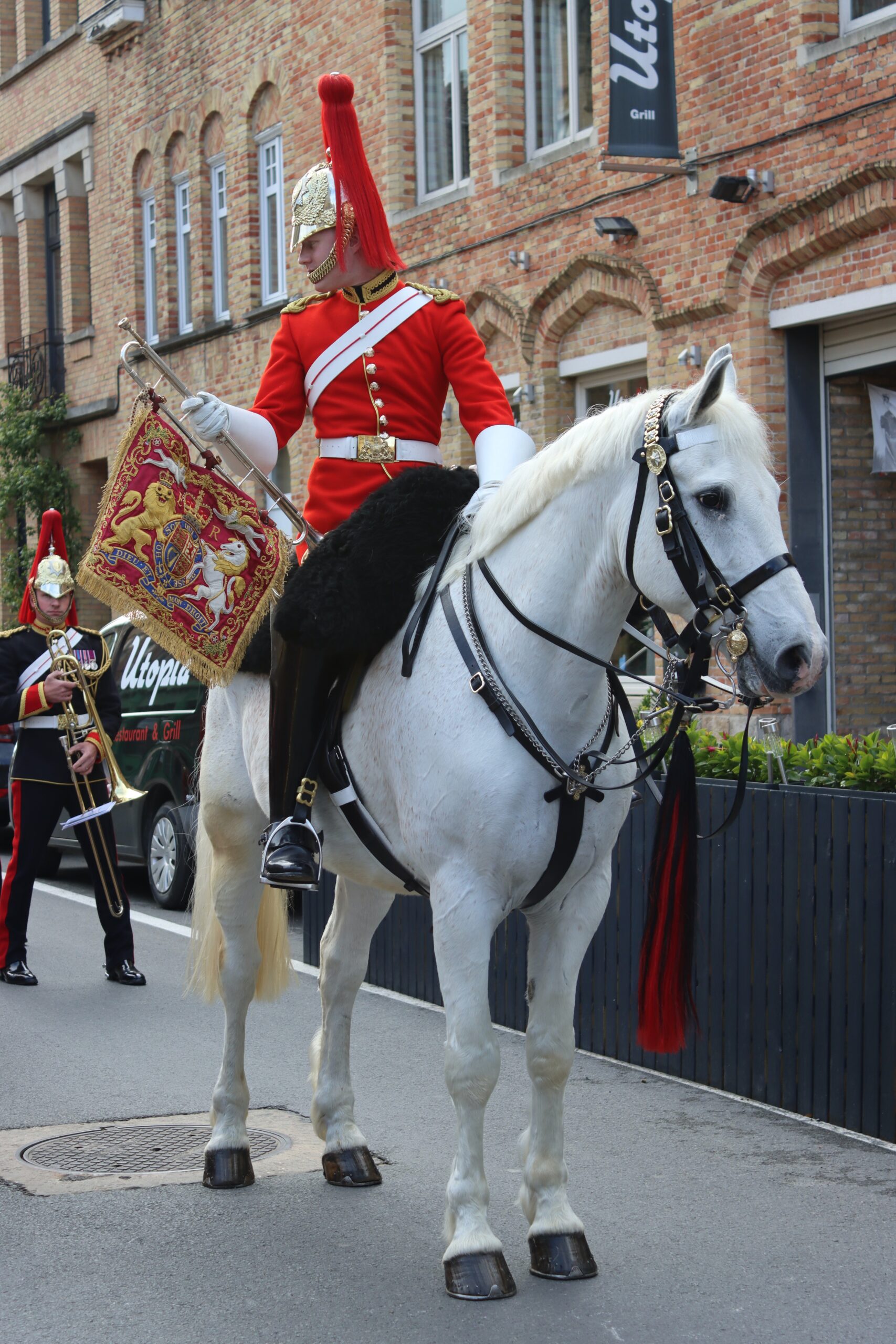
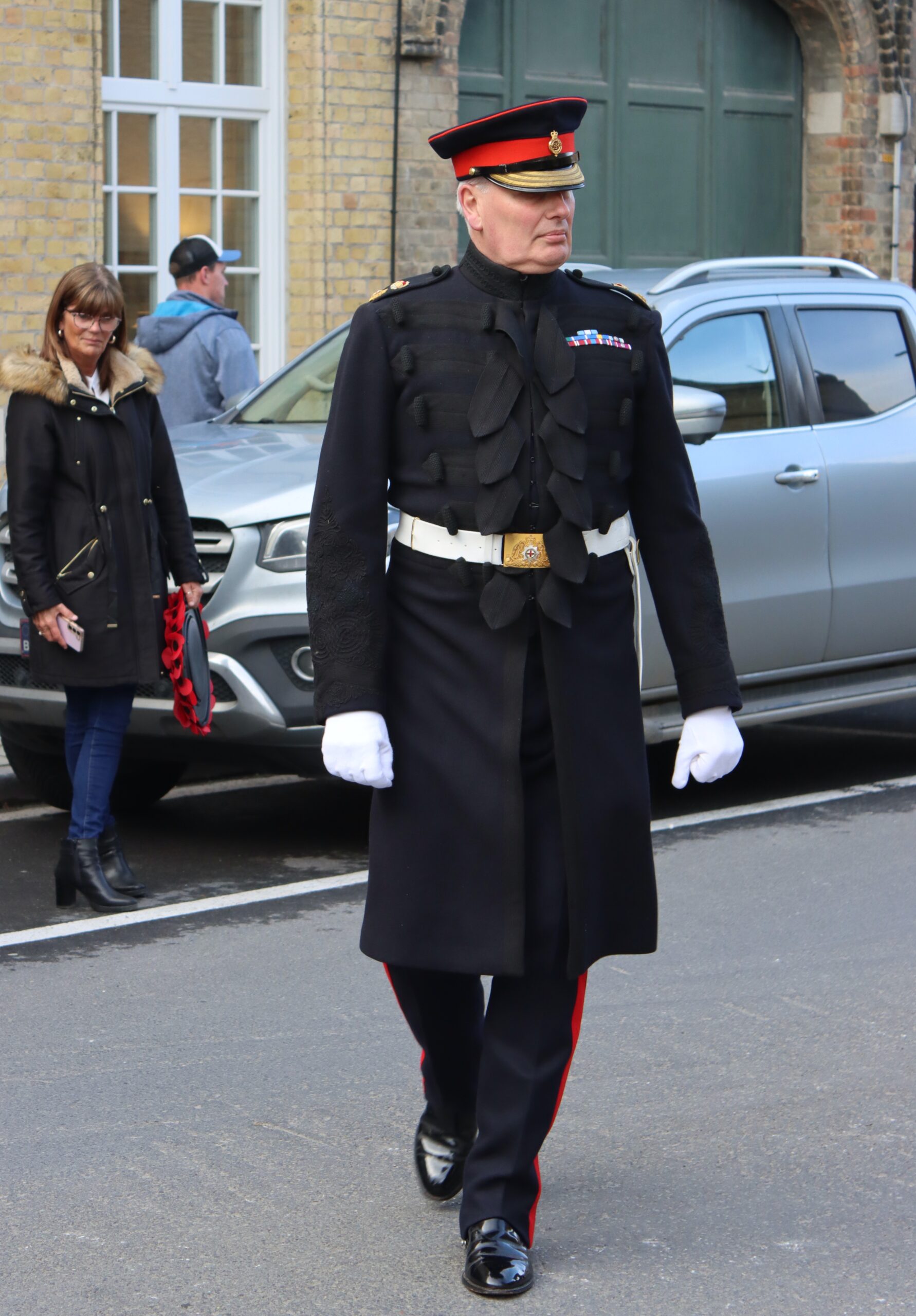
The weekend of 4–5 May 2024, with Major General Edward Smyth-Osbourne, Colonel of the Life Guards in the lead, included a service at the Household Cavalry Memorial at Zandvoorde, a military tattoo on the market square in Ypres, attendance at a special Last Post ceremony at the Menin Gate and a service in the Cathedral on Sunday.
St George’s Memorial Church
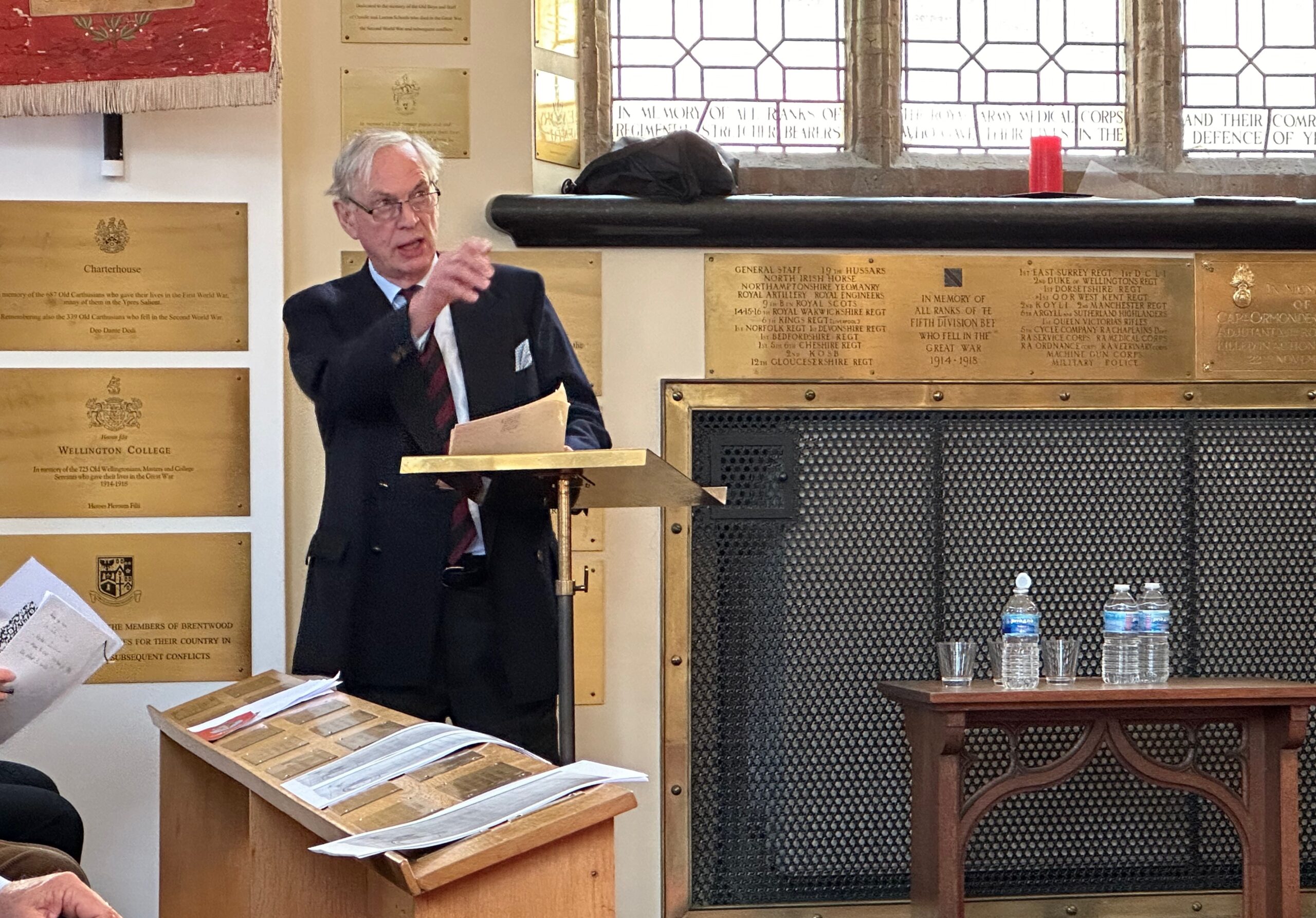
On Saturday morning everyone assembled in St George’s Church. The Regimental Adjutant, Lieutenant Colonel (Rtd.) Ralph Griffin, gave a briefing on the events planned for the weekend. St George’s is a well-known landmark in the city, built with funds raised from all corners of the UK. It was opened by Lord Plumer of Messines in 1928. Many British people were then working in Ypres. The church also serves as one of the two great memorials in the city to the British and Empire soldiers who died on the battlefields of northern Belgium, the other being the Menin Gate.
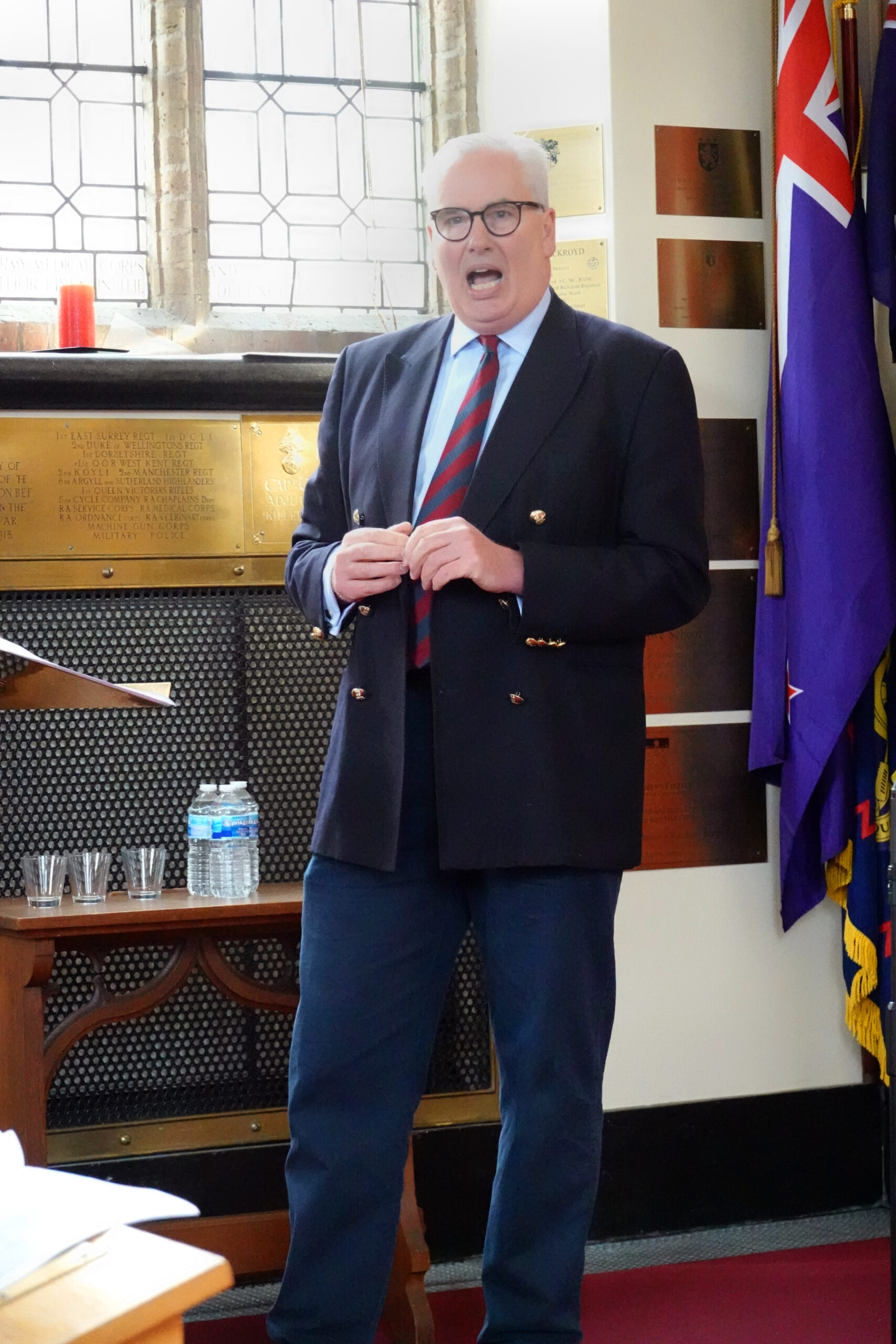
Sir Edward Crofton is Chairman of The Friends of St George’s Church, whose main objectives are to promote interest in, and knowledge of, the history, work and mission of the Church. Lord Astor is the Vice -President. Sir Edward talked about his father, Morgan Crofton, and his experiences in the Life Guards during the opening months of the war. He spoke of the difficulties in those early days, embarking from England with their horses, moving through northern France and the inevitable disruption and uneven support of an army just mobilising in the field, finally reaching Ypres, already a deserted town, choked with debris from the shelling. He described the situation where, on leaving the city and moving up towards the front ‘there was much unpleasant riding on the edges of the road where every few yards was a deep hole full of water, since the metal crown of the road was one stupendous procession of lorries and guns and waggons.’

Sir Edward Crofton
Today, there are fewer British people living in the city. St George’s, however, remains central to the pilgrimage to the city, these days styled as Ieper, which is appropriate in the Dutch-speaking Flemish area of Belgium’s Westhoek in which it stands. Although the adjoining school, built principally to teach the children whose fathers worked for the Imperial War Graves Commission, was closed in 1940 during the German invasion in the Second World War, it still serves as a community venue for gatherings and celebrations.
Fellow DHF member Jon Palmer and I were there when the new bells were installed in 2017. They were made at the Loughborough Bell Foundry with funds raised from campanologists all over the UK. Once cast, they were brought over from England in appropriate fashion on two authentic 1915 lorries! The event was attended by several groups of very jolly bellringers from England, Belgium and Holland whose enthusiasm even extended to teaching aspiring tyros the arts of campanology. The bells were dedicated by the President of the Friends, the Revd. Robert Innes, Bishop of Gibraltar in Europe, a long-established post in Brussels whose holder represents the Archbishop of Canterbury in Europe. So the life and purpose of St George’s continues today in just as important a way – possibly even wider – than its founder, Lord Plumer, might have foreseen.
Zandvoorde, October 1914
Next, Lord Astor narrated the story behind the Household Cavalry Memorial at Zandvoorde where Lord Worsley, of the Royal Horse Guards, was killed on 30 October 1914. Lord Worsley was married to Alexandra, the sister of Lord Astor’s grandmother, Dorothy Haig. Alexandra was just 24 when she was widowed.
In early October 1914 the Household Cavalry embarked for France with Lord Worsley and his machine gun section. I have used Lord Astor’s own words to describe the events that followed:
On 21st October, two squadrons of the 1st and 2nd Life Guards and the Blues machine gunners were deployed at Zandvoorde Ridge, which is only 120 feet high but considered strategically important to halt the German advance to the Channel ports.
At this stage of the war the fighting was still very dynamic and deep trenches were considered unnecessary. Instead, our troops found themselves in hastily dug, shallow trenches on forward slopes with no protection and in full view of enemy soldiers who were arriving like a tidal wave. To make matters worse the weather was very stormy.
On the 29th, the Blues were relieved in the trenches by the two Squadrons of the 1st and 2nd Life Guards. The 1st Life Guards’ Maxim machine gun was jammed. As the machine gun was an indispensable weapon to cover such a vulnerable section of the line, Worsley was asked to remain in position with his section.
‘All in a day’s work’ was the swift reply of the young officer.
There was no let up. After seven consecutive nights in appalling weather and under continuous attack in the trenches, he and his men were hungry, exhausted and soaked to the skin. At 6am the next day, surrounded by enemy forces and open to attack on three sides, the gigantic German artillery barrage started to eject the Household Cavalry from Zandvoorde
The storm of shrapnel and high explosives blew their trenches to pieces before the massive German infantry assault got underway. The order had been given to withdraw. Most of the brigade managed to retire in good order.
Communication lines had been cut in the bombardment, so runners were dispatched to Lord Hugh Grosvenor and Captain Vandaleur’s squadrons and to Lord Worsley’s machine gun section. The order to retire never reached them because the first two runners were killed en route.
When the German infantry advanced, it was over in minutes. Those that had not been killed by the preliminary shelling were then overwhelmed in brutal hand to hand combat as the enemy swarmed over their trenches.
By 9 o’clock the British trenches passed into the hands of the enemy. Nobody escaped fighting against hopeless odds. With fighting all around, the British and German bodies were hastily buried in mass graves.

Worsley before the war
It is an account of courage and endurance in the face of extreme adversity. It is not, however, the end of what happened that day.
On the opposing side of the battlefield a German nobleman, Oberleutnant Freiherr Sigmund von Pranck, of the Bavarian Jaeger Regiment, had watched the fighting through binoculars. So impressed had he been by the 27-year-old Worsley’s bravery in continuing to fire his single machine gun to the bitter end that after the battle he went forward to the British trenches to find something out about him. In recovering his body, he was astonished to discover from his papers their similarity in age, rank and social and married status.
Accordingly, he instructed that Worsley should have a marked grave and that his personal effects be sent back to his family.
Lord Astor described this gesture as ‘an extraordinary act of humanity’. Von Pranck himself was killed the next day and is buried in a German military cemetery in Zandvoorde.
It was not until 11 January the following year that the family heard through the American legation in Berlin that Worsley’s name had appeared on an official German list of British killed and that he had been buried in Zandvoorde.

Zandvoorde 1924 – 2024
The village of Zandvoorde is not far from Ypres but its position, out in the countryside up on higher ground, gives it a rather remote feel. Its aspect, looking out from the Zandvoorde ridge over the plain to the east, only adds to it.
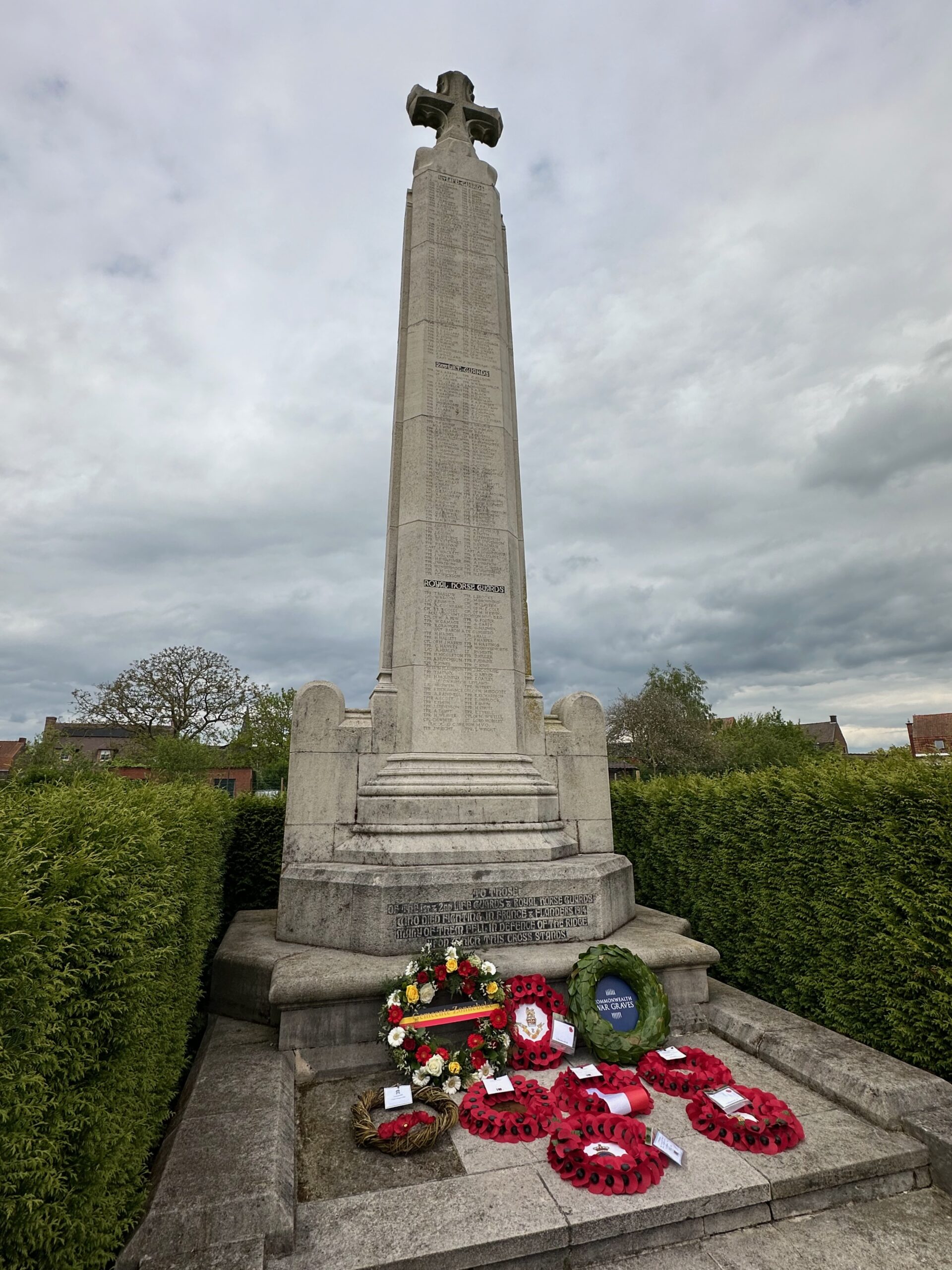
After the war Lady Worsley resolved to purchase a plot of land on the site of the action to commemorate her husband and his comrades who had been killed there. This was done and was, in time, donated by her to the Imperial War Graves Commission. The Household Cavalry chose it for their memorial which commemorates the 120 members of 1st Lifeguards, 118 members of 2nd Life Guards and 62 men of the Royal Horse Guards. The memorial is tall and slender, dominating its immediate surroundings, and lists on it, by name, all those remembered.
On 4 May 1924 the Memorial was unveiled by Field Marshal Haig, Colonel of the Blues.
100 years later, to the day, in the afternoon, his grandson, Lord Astor, accompanied by Lady Astor, were present at Zandvoorde for the commemoration service. There were many guests from the military, diplomatic and civil administration world.
Prominent among them were Lord Yarborough, family descendant of Lord Worsley, and Samantha Wyndham and Henry Strutt whose respective grandfathers, Colonel Wyndham and Lord Belper, had been in action at Zandvoorde .
Sir Edward Crofton, who had given such a charming talk to us earlier in the day, was there, also the Hon. Philip Astor, Captain Victor Law, formerly of the HCR, Randolph Churchill and Alex Campbell. Group Captain John Dickson, Defence Attaché in Brussels, was also in attendance

The grandson of the founder of Talbot House, Gilbert Chalk, was present. I remember, many years ago, meeting his great friend at Toc H, ‘Tubby’ Clayton, when he was company chaplain to BP.
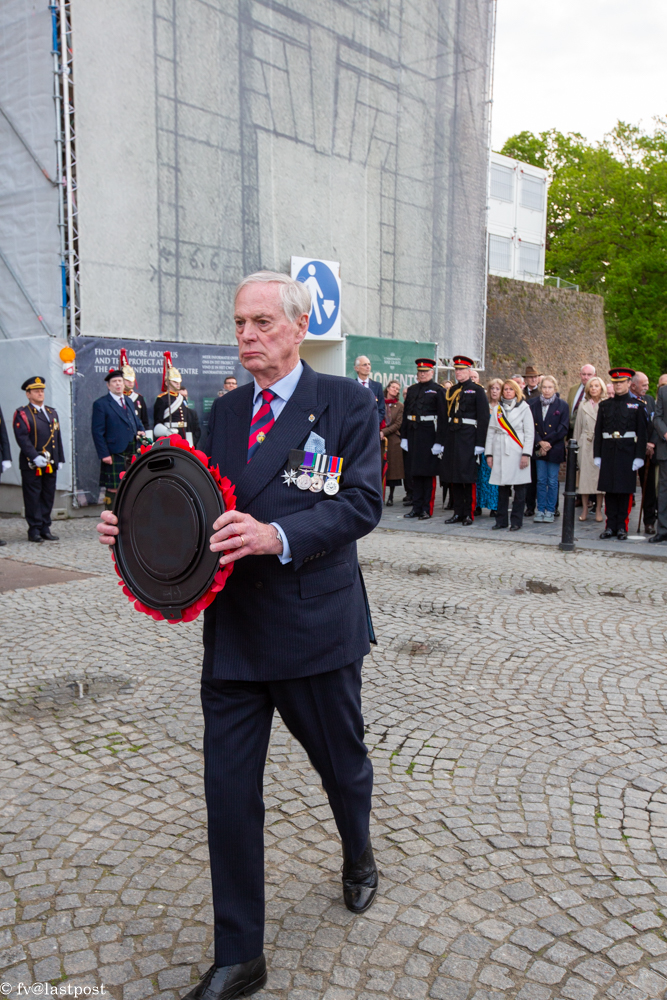
Baron Pranck’s great-nephew, Freiherr Pilgrim von Pranck laid a wreath at the memorial, a poignant gesture, aptly characterising the whole event.
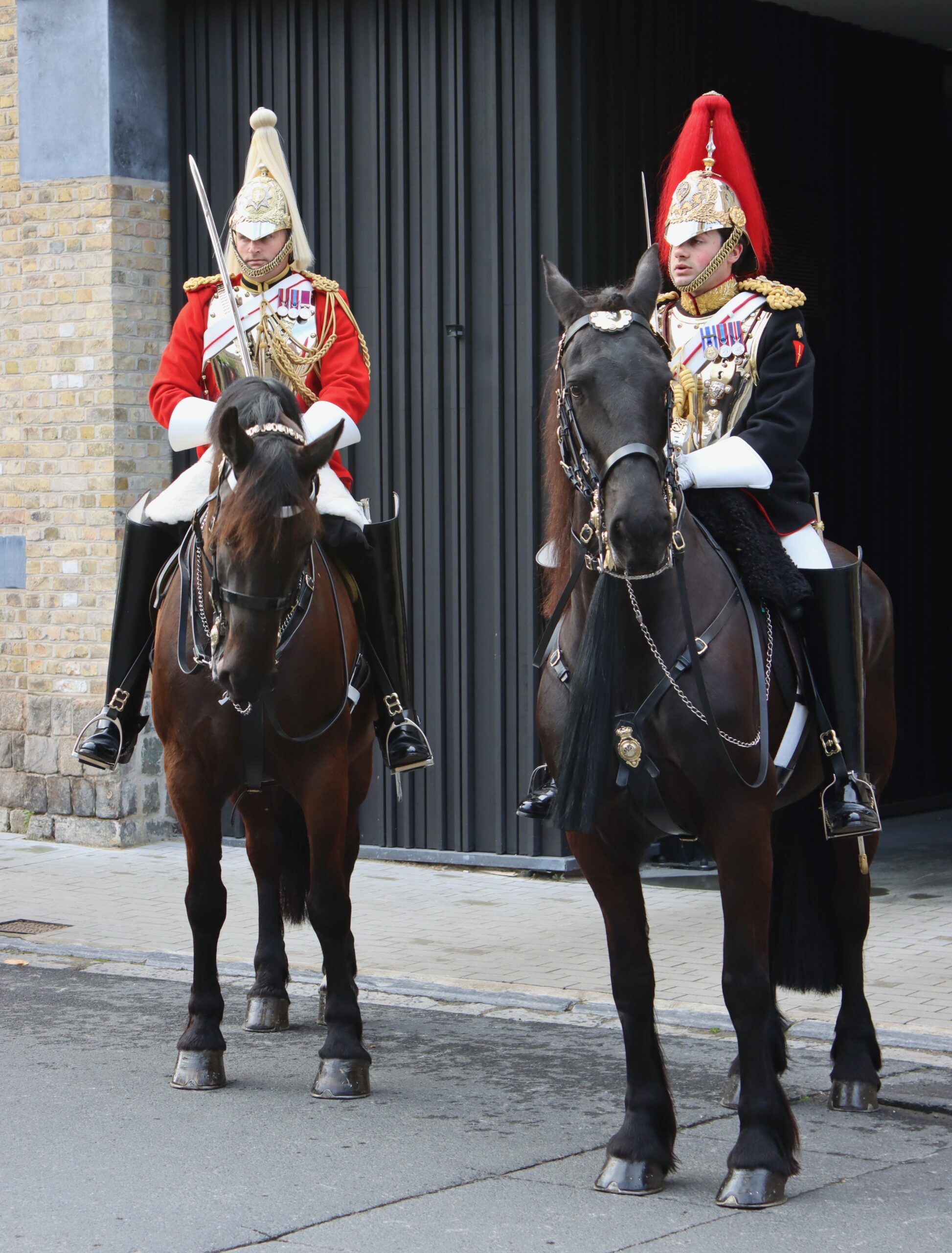
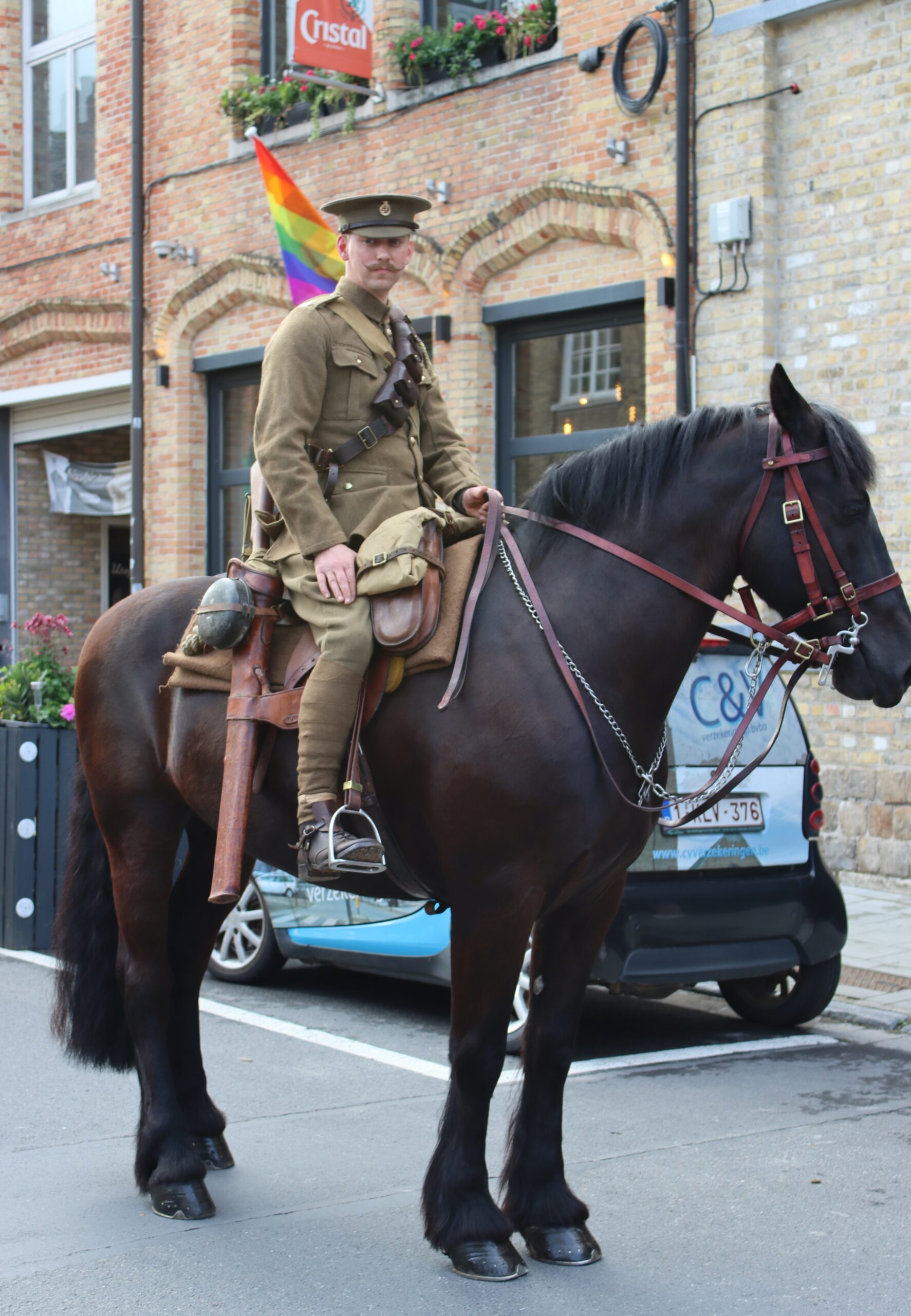
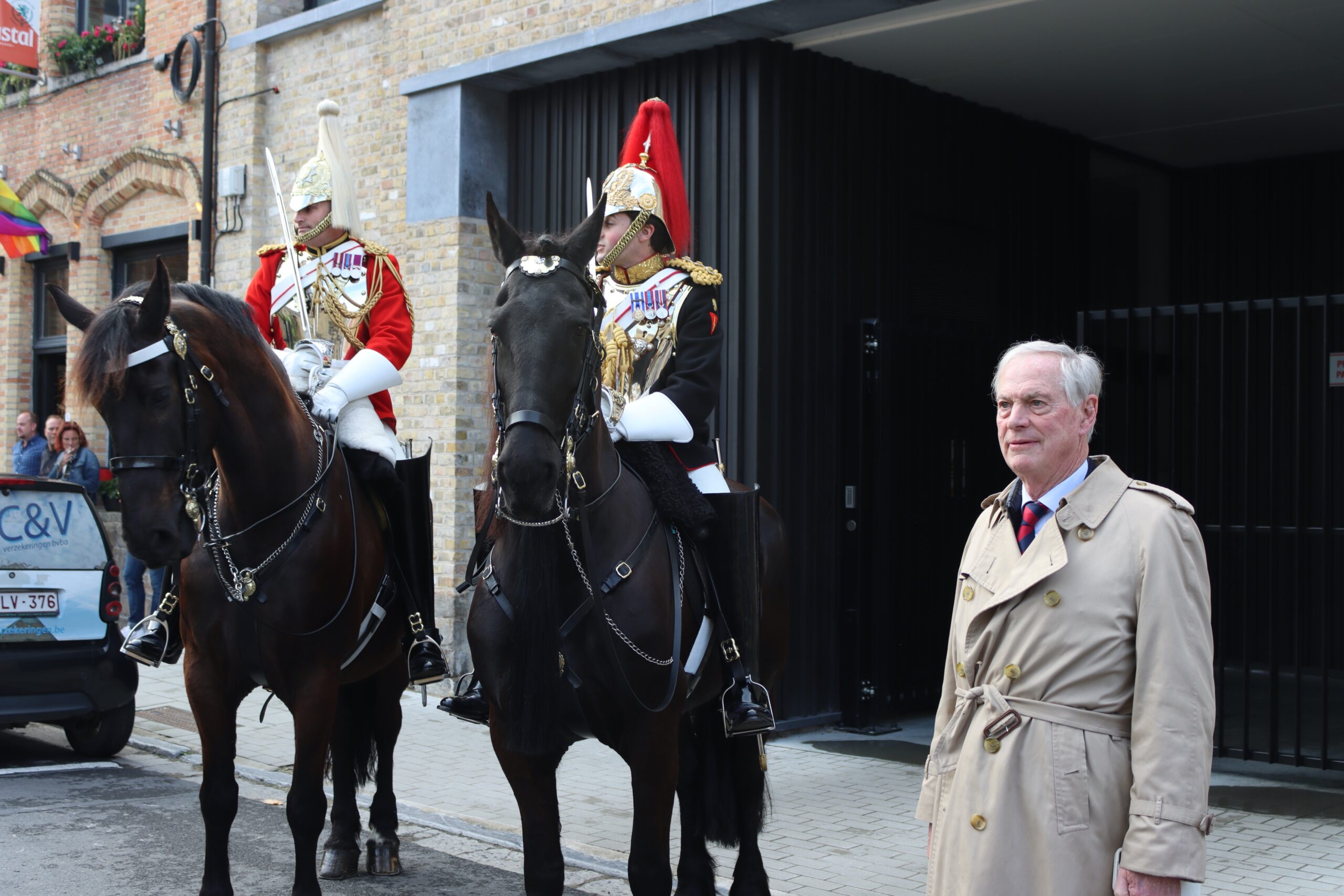
Mathieu and Bernard Mottrie, President and vice-President of the Last Post Association, well known to all those visitors who come to see the daily ceremony at the Menin Gate were also present. The Mottries had worked tirelessly to ensure that all aspects of the visit went smoothly in Belgium, including the provision of horses for the cavalry and good access to the otherwise rather restricted area around the memorial at Zandvoorde.
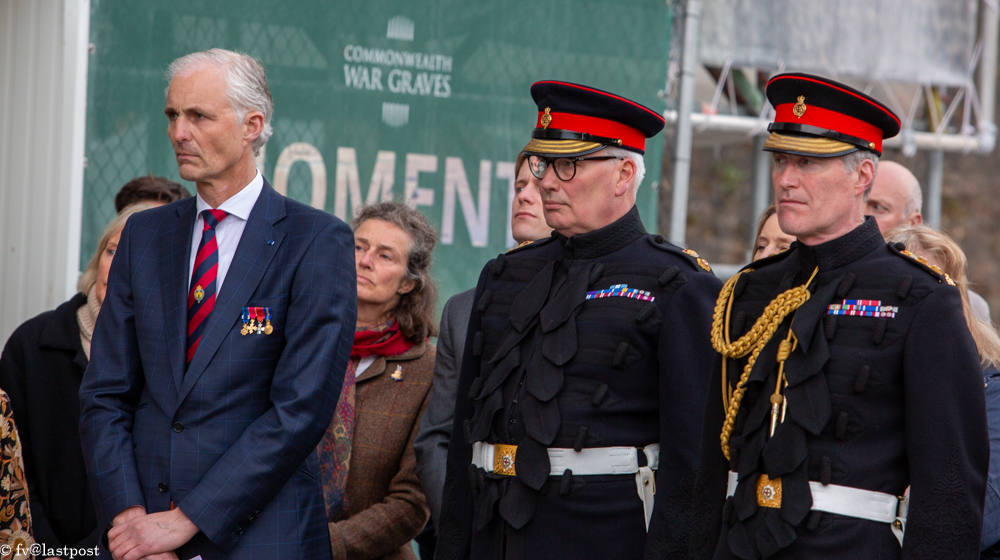
A reminder of the enduring work of the Commonwealth War Graves Commission was the presence of Geert Bekaert, their European Director, and the support of the district Gemeente by its mayor.
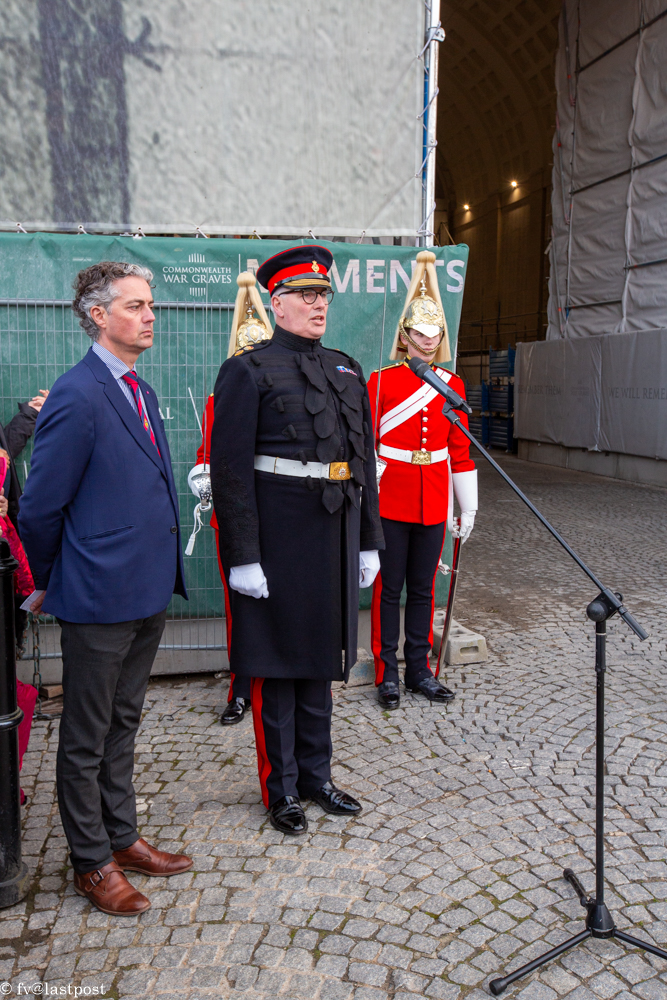
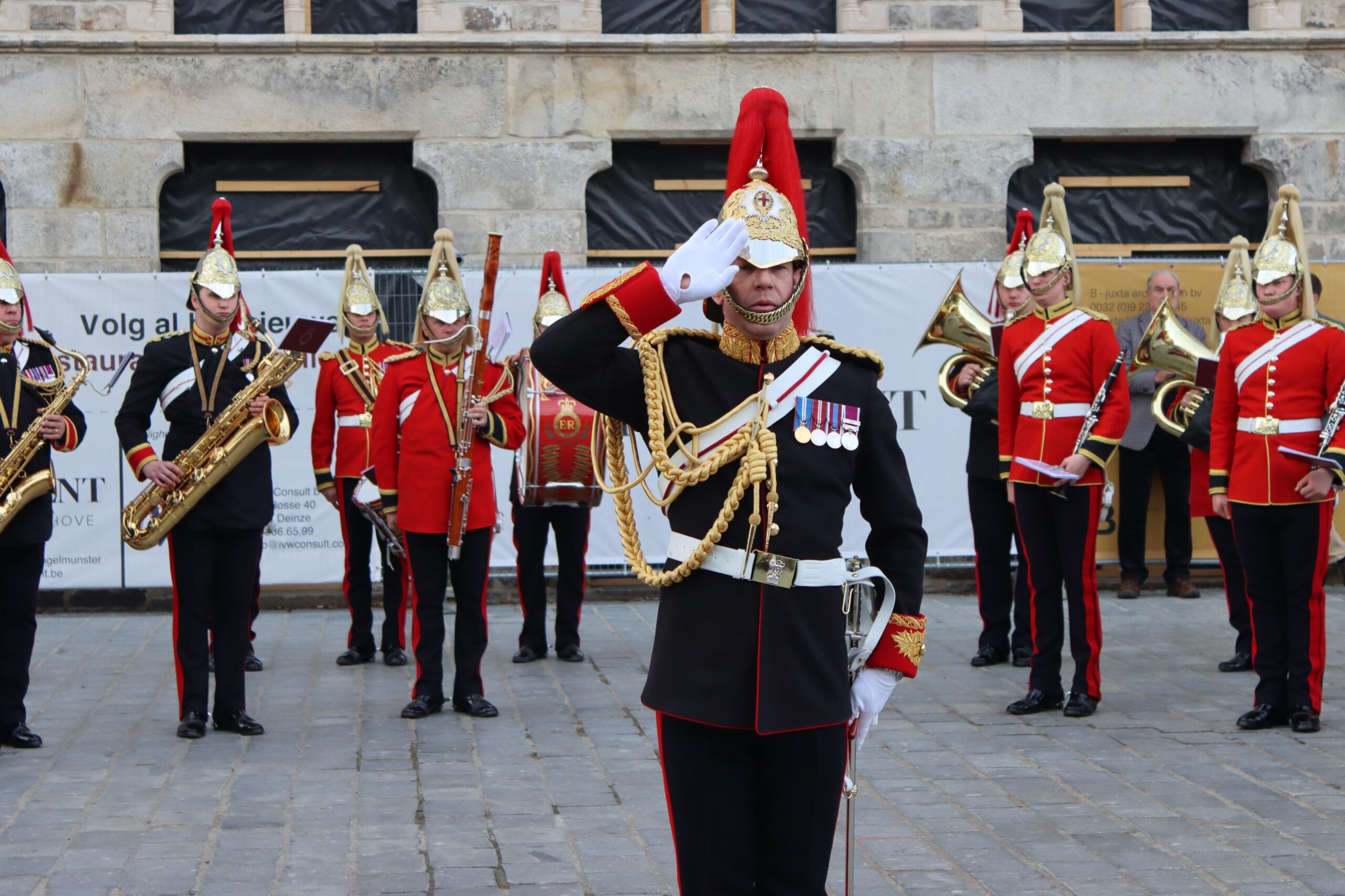
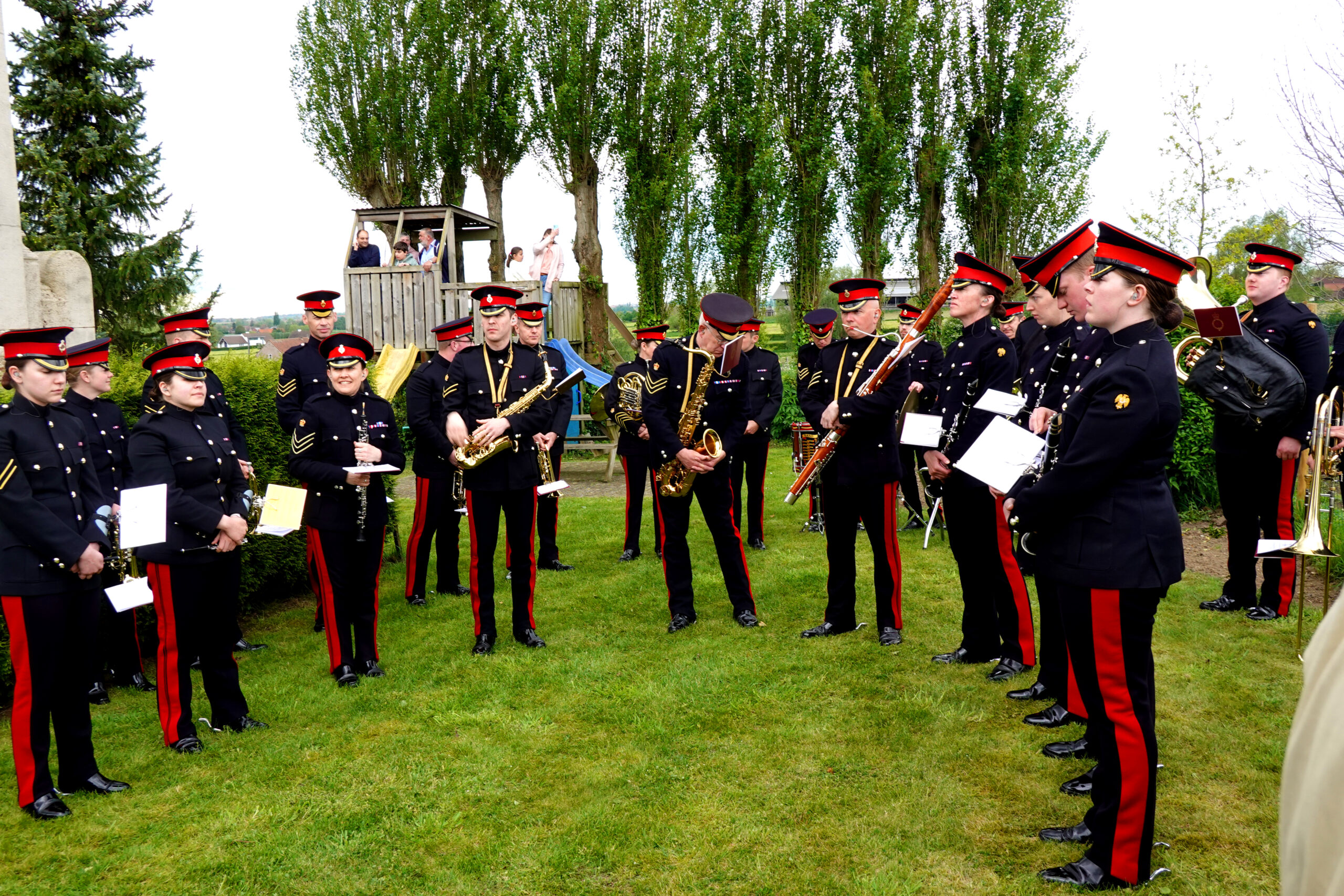
The service was conducted in driving wind and intermittent rain by the Regiment’s padre, Revd. Tom Sander. Despite the elements, the Band of the Household Cavalry, conducted by Major Craig Bywater, continued to play in its own imperturbable fashion.
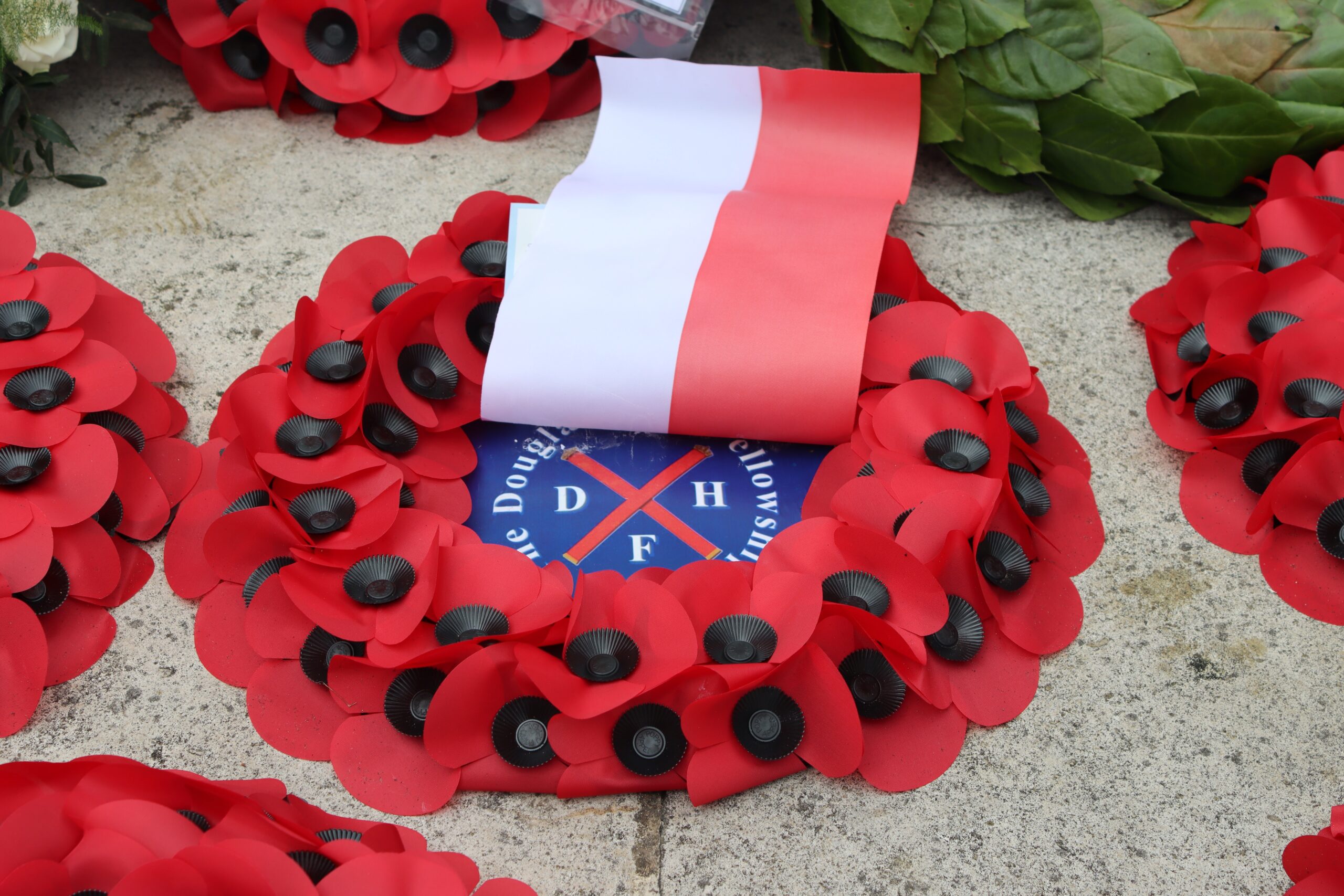
There were many wreaths at the memorial. Elspeth Johnstone had arranged for one to be laid on behalf of the DHF.
The Menin Gate and the Cathedral
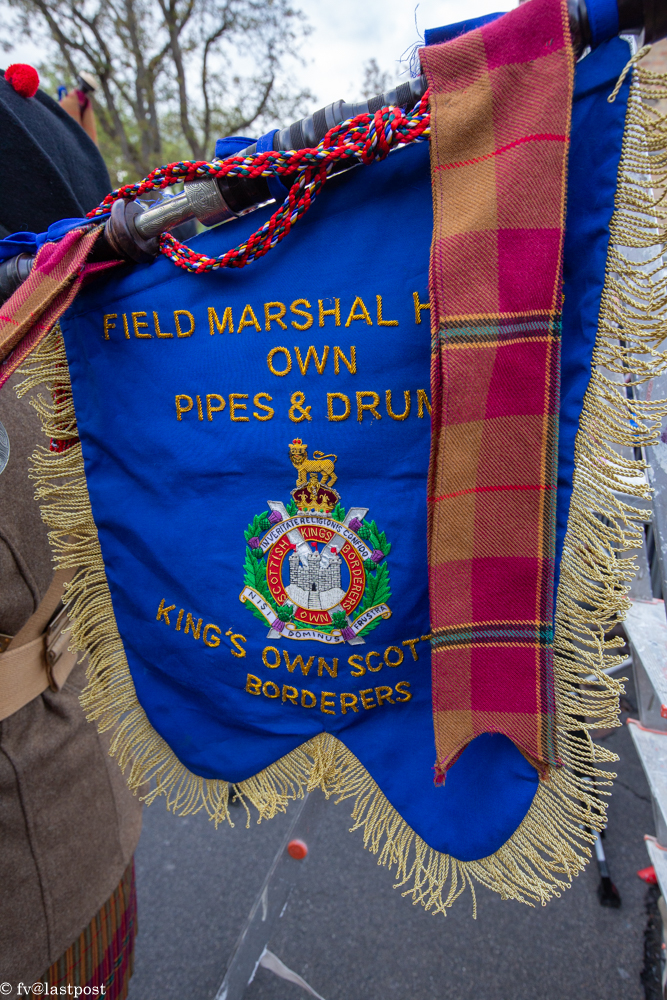
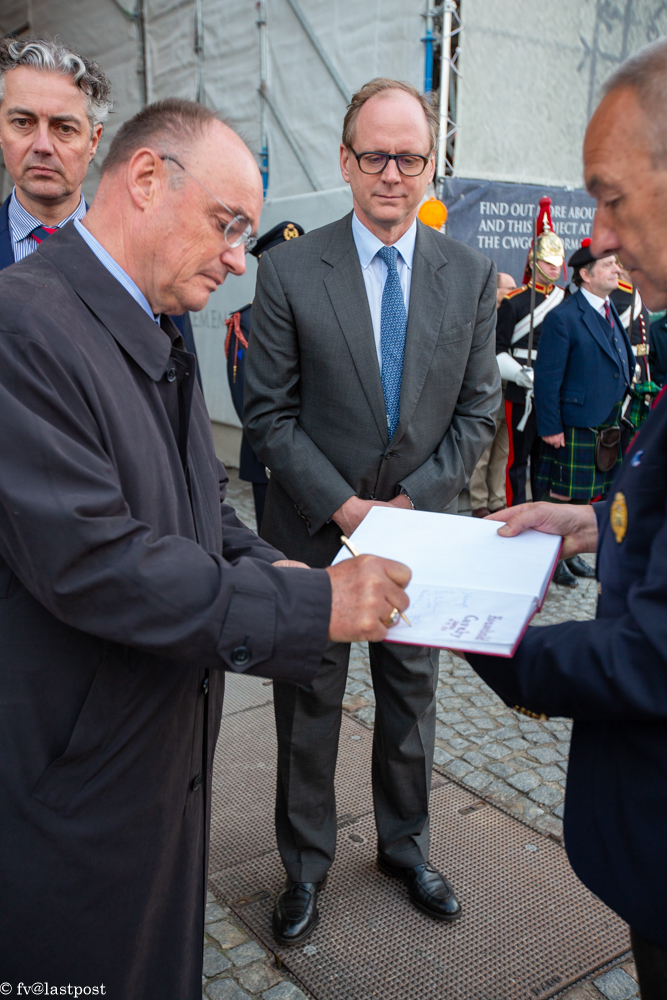
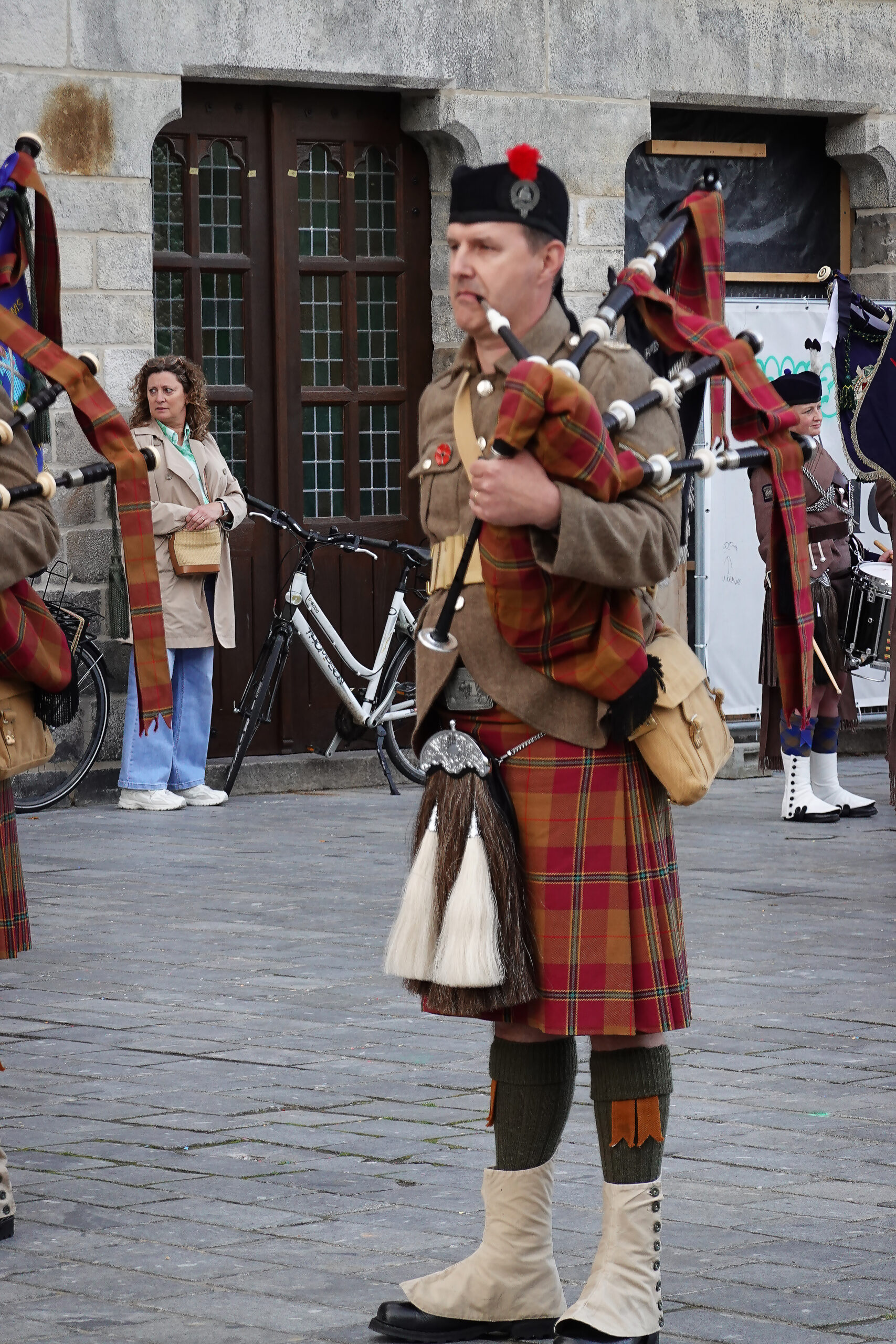
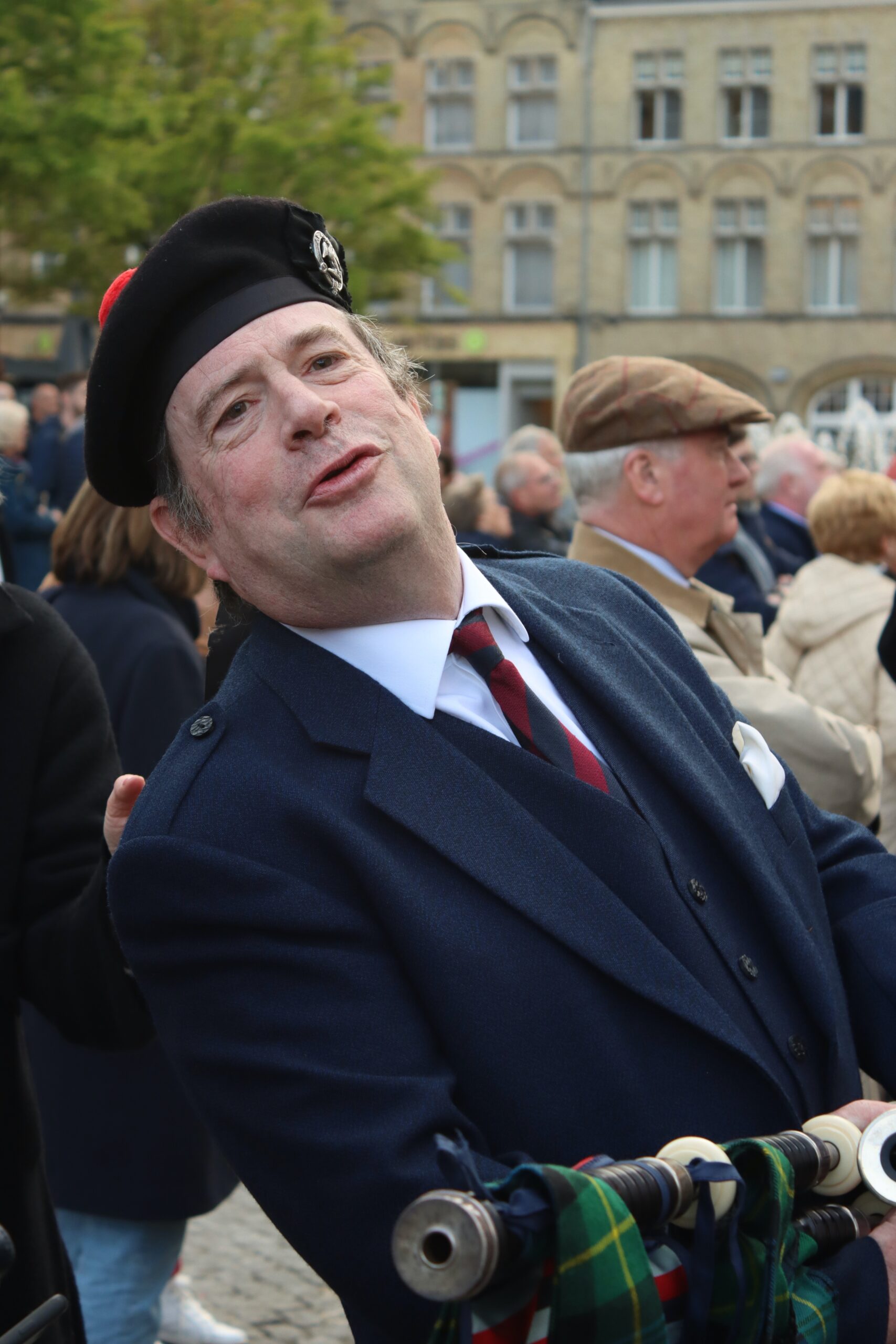
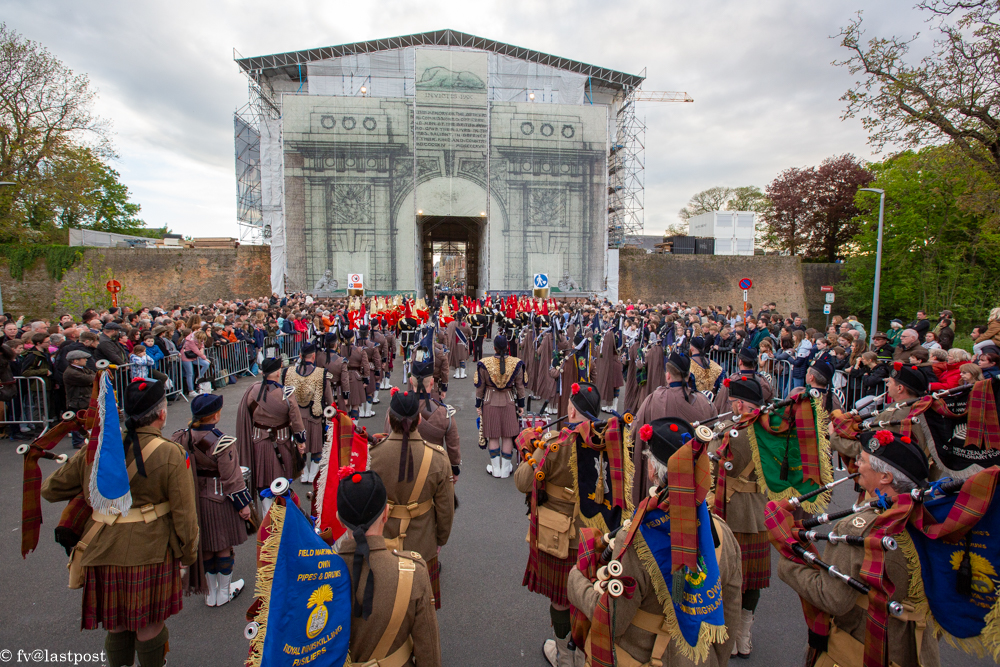
Over the evening, the storm from the North Sea disappeared inland. There was a military tattoo in the Grote Markt with performances from both the London Scottish Pipes and Drums and Field Marshal Haig’s Own Pipes and Drums playing in concert with the Band of the Household Cavalry. Followed by hundreds of local people, mounted horses led the procession up to the Menin Gate for a service of remembrance and the traditional Last Post ceremony. This, despite all the cladding and scaffolding that currently obscure many of the panels to the Missing as the CWGC’s renovation work continues towards its target completion by 2027

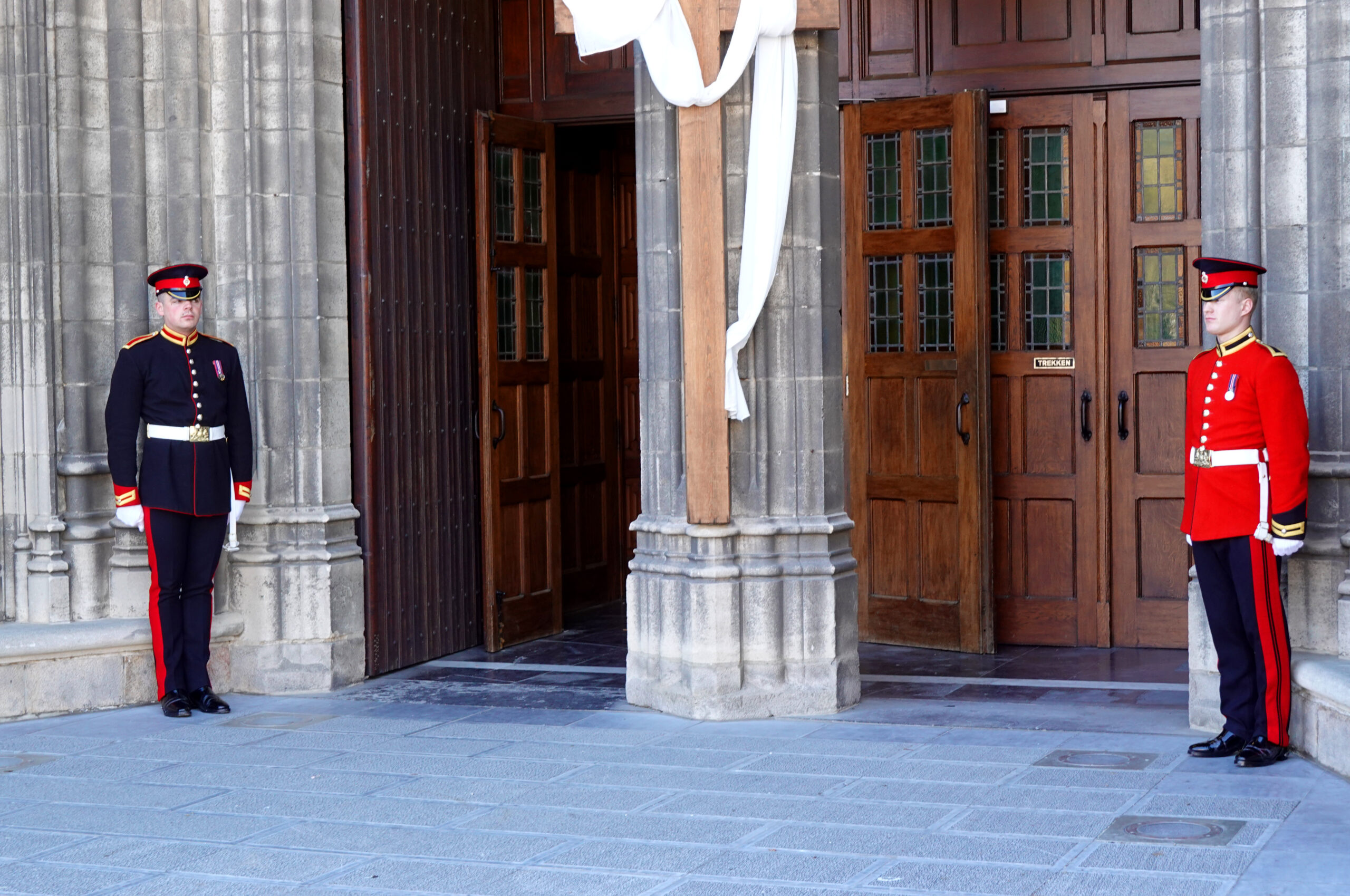
On Sunday morning the Household Cavalry Band led a procession of guests and townsfolk through the Grande Place to the Cathedral. The service was celebrated jointly by the Dean of the Cathedral and the Rev.Tom Sander. This time he had adequate time to finish his sermon!
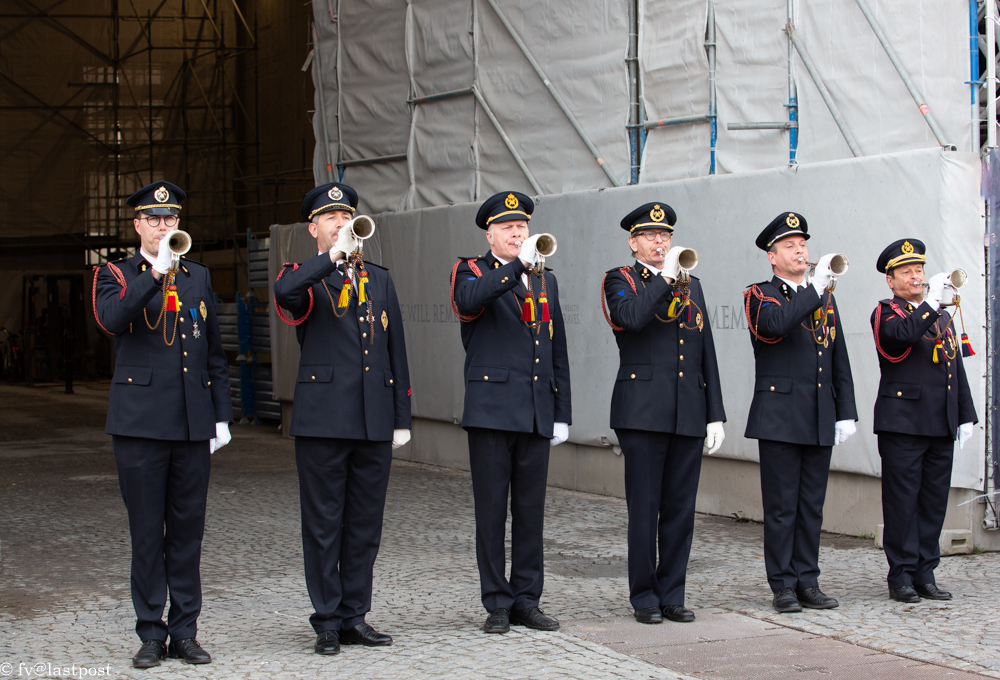
Lord Astor led the first of several readings. There was much music provided by the Cathedral organist, the Ypres Chorus choir and the Household Cavalry Band. The service ended with prayers by the Chaplain to St George’s and the Last Post and Reveille sounded from high in the Cathedral by the Trumpeters.
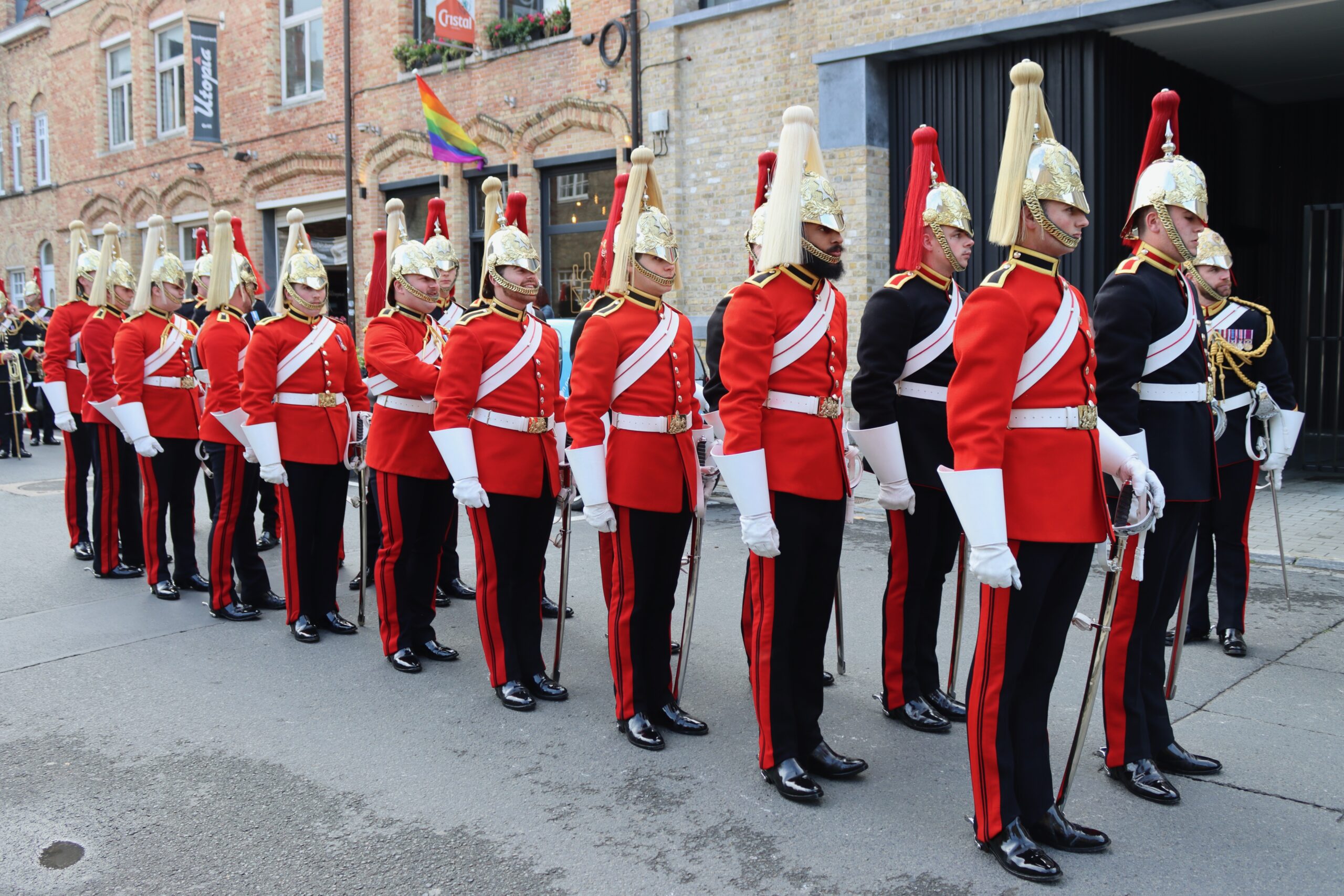
With a final line up of Life Guard troopers we left the cathedral and stepped out into bright sunlight. I went back to St George’s with the Chaplain, Richard Clement, to see the new plaque commemorating the installation of the bells.
A very memorable event.
Final words
The fighting at Zandvoorde had been terrible. The Household Cavalry had not been able to stop the Germans capturing the ridge. But, by their wonderful defence, the cost to the enemy was heavy, and they managed to gain valuable time for the British line behind them to hold their ground.
The German’s desperate attempt to reach the sea at Calais was brought to a halt.
That day two cavalry squadrons and their machine gun section simply ceased to exist.
This weekend we shall honour them
Lord Astor
John Hawkshaw
My thanks to Tracy Murrell and Gerald Allison for all their help.